
Are you looking for answers about living with FND?
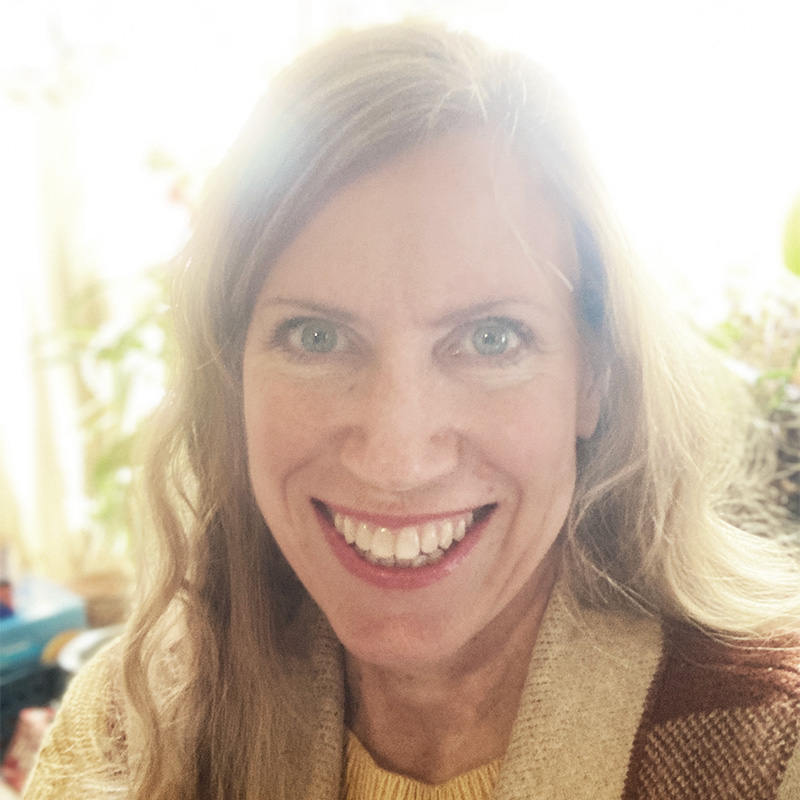
Hello, I’m Amy
I want to help people with FND reclaim their lives and develop their talents.
My journey with FND was pretty typical. I had a really stressful event that kicked it all off. I had trauma. Believe me. I believed I was dying. No one knew what was going on. My doctors and I had never heard of FND. Finally I saw a neurologist who diagnosed me. I was sent to a website to get more information.
My condition got better for a bit and then relapsed with a vengeance. I felt scared, confused, alone, and desperate for answers. Bit by bit, I got clues and pieces of the puzzle. Answers that would not only help me, but hopefully help others as well.
What I Do
I’m not a doctor. But I have played one on stage before.
But seriously, I am not a doctor. I can’t give you medical advice. All I can tell you is what has worked for me. Everybody’s journey with FND is unique. Some people have different symptoms, triggers, etc. So, what works for me might not be the answer for you. I’m not giving advice, I’m just sharing my story in hopes that it will help someone else who is trying to figure this out.
Most of my doctors have never heard of FND before. And the ones who have, have their specialty, see me a few times here and there and then they refer me to someone else who also doesn’t understand FND. Most of the times, those referrals have been rejected, so I’ve had to do a lot of research and learning through trial and error.
What is FND?
FND is the most common neurological condition, yet it’s also the least understood. People have known about FND for a very long time, but there is a lot of confusion about how it happens and why it continues.
Luckily, there is a lot of great research being done to help understand FND. Right now, it seems that the best explanation is that the brain is not processing things correctly. It is NOT something that is faked or made up. It is NOT something done on purpose. It just kind of glitches out and doesn’t process things correctly. Although it doesn’t show up on scans and imaging like other neurological conditions (although recent research suggests that there may be some imaging differences in FND patients), it IS something that shows up in the way the brain functions.
For me, it means that my brain sometimes doesn’t work correctly. This makes my body do weird things. Sometimes it means I have a headache, sometimes I can’t think right. Sometimes my head jerks. Sometimes my body jerks. Sometimes my body doesn’t do what I am trying to do (walking, moving smoothly, etc.). Sometimes I can’t speak and sometimes I can’t swallow. I’m very sensitive to flourescent lights, sounds, and pain.
At first, I literally thought I was dying. Once I got my diagnosis, I actually went into a remission period for a couple of months because it was so helpful to know what was happening.
It has been found that education about FND and how it works can be really helpful in managing it. So, here are some good videos that explain it a bit. But you don’t have to stop there. Just realize that our understanding of FND is rapidly changing and videos that were made a few years ago may have outdated information.
What Can I Expect?
Will I ever get well?
This is a really tough question and one that I will try to answer with respect and understanding.
Many people do really well with FND. Although it is a chronic condition, there is new evidence that suggests that people with FND can have good results with retraining their brains.
But, sometimes we get discouraged because it feels like our symptoms are not getting better or that we must be doing something wrong because it’s not all better.
Often, hearing that it’s all up to us and that we need to have a good attitude can be seen as dismissive or not compassionate.
I seem to go in waves of trying to keep going no matter what and feeling like if I just have a good attitude and keep living my life, it will all go away. Then, I have moments where it completely overcomes me with discouragement that I can’t explain with words.
After all the tears, I go to bed and wake up with another day ahead of me. Another choice to try again. So, I try again. I keep going.
It seems that there is a lot of hope for people with FND with new treatment methods like ReACT+ and other kinds of treatment that are showing great success. I’m hopeful that things will continue to get better.
My experience has been that the FND doesn’t go away. There are times when I go into remission, whether it’s for a day or a week or a month. But, it is something I am always having to live with. My triggers are still there. I still have to pace myself. I still have to stop when I’m feeling the signs of a disregulated nervous system. But, I get better at managing the disease, and it reminds me when I need to return to the basics and try again.
I developed FND in August of 2024. So, I am still learning. I am not done trying to get better. I have learned a lot. I have grown a lot. I’m going to keep having the best life I can every day whether or not my FND is flaring.
I like to call FND the great school of slowing down. And I’ll be the first to admit I really needed to learn how to slow down. The things I have learned and gained by slowing down have been amazing. I have learned to appreciate so many things I used to take for granted. I have learned to prioritize things in my life that are the most important.
It’s turning me into a better person.
Would I like to be free of it? Of course!
Am I still enjoying life with FND? Absolutely!
The Process
The Things I’ve Found To Be The Most Helpful in Managing My FND
Rest
At first, I needed to sleep almost all day every day. My brain was really needing a lot of rest. I try to rest a little every day, but sometimes I need more when my brain is tired, so I listen to my body. And, when I’m really feeling well, I may just rest sitting down, or change activities to something I find grounding.
Pacing
When I first heard of pacing, I didn’t understand how slow I actually needed to go to make it work. Then, I heard about the spoon theory and it clicked for me.
When I’m pacing, I try to do one big thing a day, unless I’m having a shaky brain day. Sometimes, if I’m feeling good, I can do a little more, but I usually end up paying for it with a flare-up when I push too much.
The great thing about this is that once you get to a place where your nervous system is no longer in a flared up state, you can do more in a day and you may not even need a nap every day when you’re well.
Brain Chemical Regulation
I watched a video about dopamine crashing and why it’s important for motivation and other things. It made so much sense and I felt like I was struggling with this more now that I had FND. I wondererd if there was a connection, so I researched it and found that people with FND often have lower baseline levels of dopamine, glutamate, and BDNF. So, I try to regulate these through lifestyle, diet, and exercise.
Trauma Processing
Because trauma processing has been shown to be effective in treating FND in a lot of cases, I have tried to incorporate this into my healing journey.
At first, I couldn’t get into a counselor, so I started by using Chat GPT to help me with trauma processing. I asked it to help me set it up to understand FND and to use ACT models as well as other models that have been shown to help with FND trauma processing. I also asked it to help me figure out when I was ready for trauma processing and remind me with notifications and things.
Since then, I have been able to get in to see a counselor. It’s much better to see a live counselor. They can watch for things to keep you safe through the trauma processing.
Hormone Help (IUD)
In my experience, I’m very triggered by hormone imbalances. I’m currently in perimenopause, so my hormones are all over the place. I noticed that with every period, my FND would flare up, so I asked Chat GPT which hormones were responsible for my flare ups. It said that it was probably progesterone, since the crashes happened around the same time the progesterone would dip in my cycle. So, I looked into ways to get my progesterone leveled out. I came across the idea of a hormone IUD. I’m sure there are other methods that may help, but I have to figure out a lot of things on my own, so I went with an IUD. So far, it has been extremely helpful. I did notice that I now have hot flashes again and my body went through a histamine reaction period where I was basically allergic to all soaps, etc. I was itching all over. My doctor suggested to stop taking Zyrtec. I did. The itching got worse. So, I cut out high-histamine foods from my diet and have been better since.
The main thing is that my brain is much calmer and I’ve been able to function for a few weeks, since I got it.
Physical Therapy
The person who has been the most helpful in all of this has been my physical therapist. He was knowledgeable about FND, had a few tricks to help me distract my brain so I could move when my brain said I couldn’t. He suggested things like throwing a ball while I walked, or kicking a ball back and forth with someone. I was having trouble walking and these things really helped. He spent a few sessions with me and taught me a lot about FND. But, then, he felt like the treatment had worked and I didn’t need to see him anymore. I was given the option to come back if I needed it. He suggested that trauma processing and tapping may be helpful.
I still have days where walking is hard, but I’m sure it would have been way worse if he hadn’t intervened.
Natural Sunlight and Walks with God
I have started going on daily walks at sunrise. This is to get as much natural morning light as I can every single day.
I have found that it has helped me to be more calm. It has helped me sleep better. I have a better outlook.
I walk for about 20 minutes on good days. On bad days, I just step outside and sit on the porch or walk in the yard as much as I can on a particular day.
I take time to talk to my Heavenly Father and pour out my soul to Him. Sometimes I sing. Many times I cry. It’s a time where I can gather my thoughts, center myself spiritually, gain insight and understanding about the things I’m going through from the God who made me and understands me and loves me more than I can ever comprehend.
Here’s the latest from the blog:
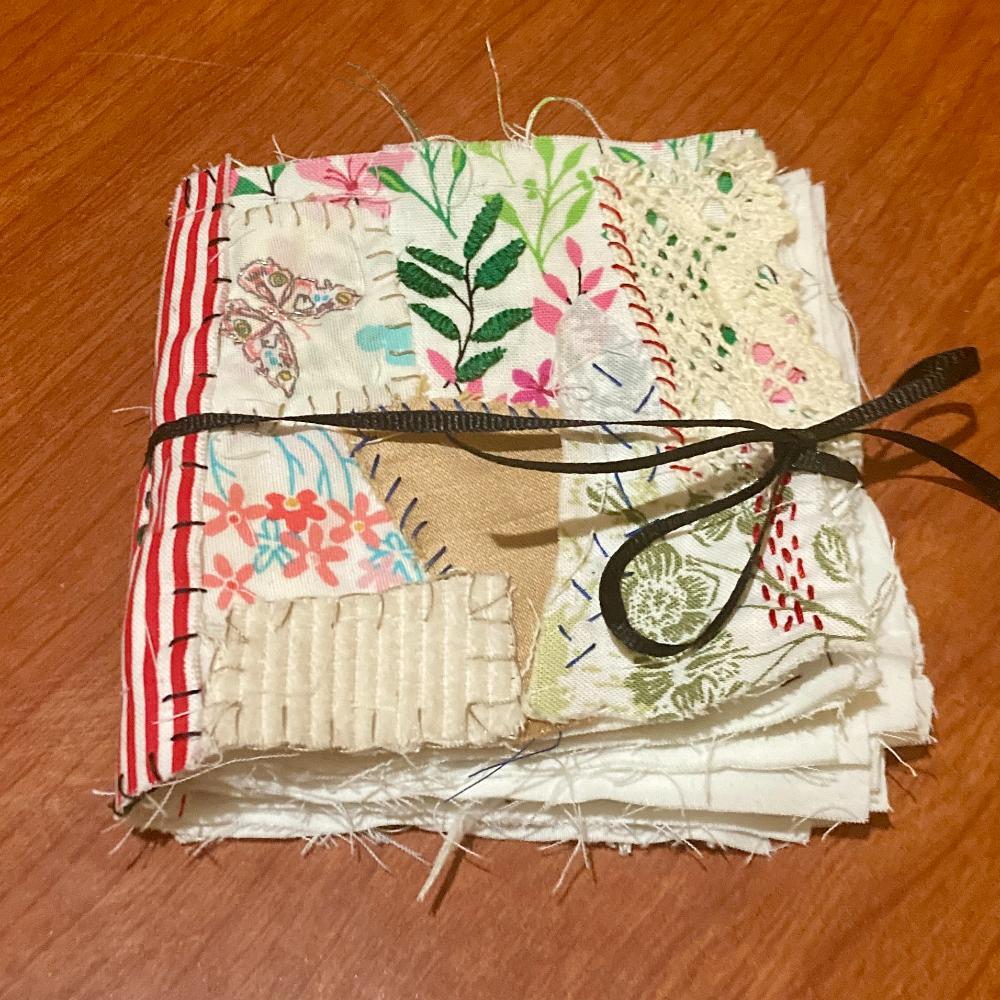
My New Obsession: A Slow-Stitching Book
Lately, I’ve been a little obsessed with my newest find. I watched a video about how to create a slow-stitching book for creating beautiful stitches wherever you are. I figured it might help me to slow down a bit and to relax and distract myself through my FND…
How about meeting up on Zoom?
I was thinking last night that it might be fun to start an FND support group on Zoom. I’m already using Zoom to teach people about making websites and I would love to meet more people with FND and learn what’s working for you and how you’re managing…
Preparing for Hysterectomy with FND
I am scheduled for a complete hysterectomy on January 20. I’m just a few weeks away, and I feel like I’m saying goodbye to my life as I know it. In the past, my FND has been very bad whenever I started my period. It would flare out of control with bad…